It’s one of the first questions we get from clients arriving from outside Chile who are interested in Pucón, Villarrica, or some corner of the Araucanía region: do I need residency to buy? The short answer is no. You don’t need residency or any type of visa to buy a property in Chile — the only thing you need is a RUT, a procedure that, with good guidance, is resolved quickly and without setting foot in Chile. The detail lies in doing that procedure correctly, and that’s where it helps to have good support.
The General Rule: The Same Conditions as a Chilean
Chile is, within the region, one of the countries most open to foreign real estate investment. The law doesn’t require residency, nationality, or any special permit for a foreign person to buy a house, an apartment, or a piece of land. In practice, a foreign buyer signs the same public deed, before the same notary, and is registered at the Real Estate Registrar (Conservador de Bienes Raíces) exactly the same as a Chilean buyer.
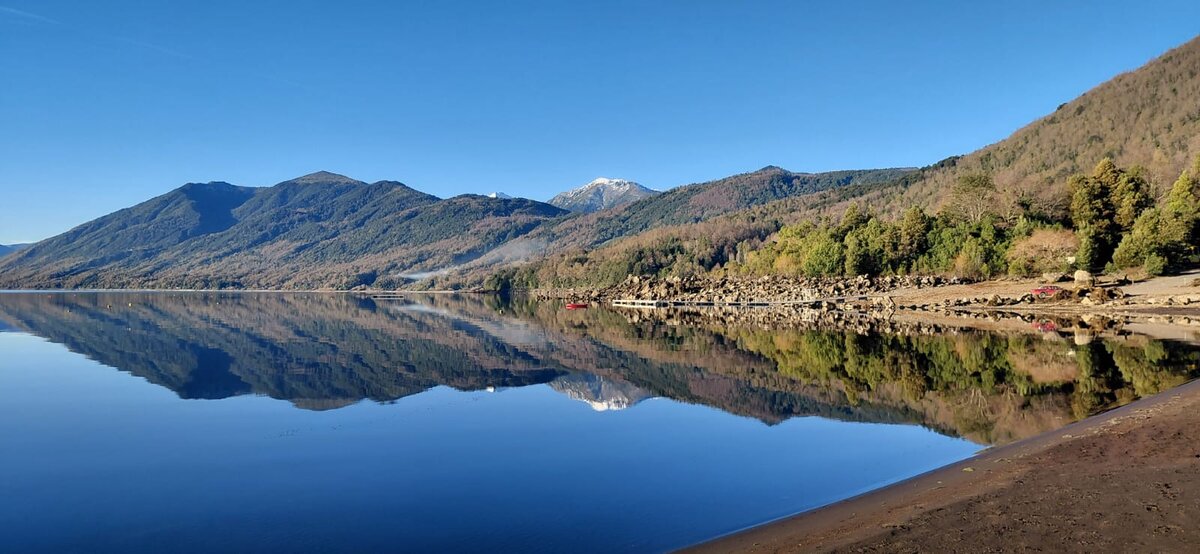
This makes the Araucanía region — with its combination of lakes, volcanoes, and native forest — an increasingly sought-after destination for buyers from other countries looking for a second home, a tourist rental project, or simply a different place to live part of the year.
The Only Thing You Really Need: a Chilean RUT
Although residency isn’t required, there is one unavoidable administrative requirement: the RUT (Rol Único Tributario, or Tax ID Number). Without a RUT you can’t sign a purchase deed in Chile, because it’s the number that identifies the buyer to the Internal Revenue Service (Servicio de Impuestos Internos) and to the Real Estate Registrar. It’s a tax identification number, not a residency permit — it doesn’t allow you to live in Chile or have anything to do with immigration procedures; it’s only used for transactions like this one.
The good news is that getting the RUT doesn’t require traveling to Chile. It can be arranged directly with the Internal Revenue Service (SII) while abroad, or through a lawyer with power of attorney who handles the entire process on your behalf. With good guidance, it’s a fast process — usually resolved in days, not months — and it’s exactly the first thing we arrange with our international clients before moving forward with any offer, so that when the property they’re interested in comes up, they don’t lose time over a pending administrative procedure.
The Only Real Restriction: Border Zones (and It Doesn’t Apply to Most Buyers)
There is a legal exception worth mentioning, although in practice it affects few cases: Decree Law 1939, which restricts the purchase of real estate within officially declared border zones to individuals or companies from neighboring countries — that is, citizens of Argentina, Bolivia, or Peru, not foreigners in general. A European, North American, or Asian buyer isn’t affected by this rule.
For a business like ours, which works in communes near border crossings such as Mamuil Malal, this is something we do review case by case before moving forward with a specific property, because the law allows exceptions through presidential authorization. If your profile or the property you’re interested in falls under this situation, it’s exactly the kind of check our legal team carries out before you sign anything.
Another Point Worth Checking in the Araucanía Region: Indigenous Lands
A lesser-known but relevant issue in this part of the country: some rural land in the Araucanía region is registered as indigenous land under Law 19,253, and its sale to people without recognized indigenous heritage may require prior authorization from CONADI, or may not be possible at all. This isn’t something that shows up just by looking at the property title — it has to be checked directly. It’s another filter we apply before offering a piece of land or a farm to a foreign buyer, precisely to avoid surprises later on.
How Propiedades Villagra Supports You Through the Whole Process
We’ve spent years working with foreign buyers interested in Pucón and its surroundings, and we know that the legal side is usually what raises the most questions from a distance. That’s why we work with a team of lawyers who take care of reviewing each of these points — RUT, border restrictions, title status, indigenous land status when applicable — before you move forward with an offer. Ingrid, who leads the agency, has personally guided several purchase processes for clients who had never set foot in Chile before signing.
If you’re considering buying a property in Pucón, Villarrica, or any commune in the Araucanía region from abroad, let’s talk: we’ll review your specific case, explain the exact steps you need to take, and support you from start to finish, without you having to figure it out on your own.
Write to us on WhatsApp → or check out our property catalog
—
*This article provides general information and doesn’t replace specific legal advice. Each situation — the buyer’s nationality, the property’s exact location, the status of the title — can change the steps to follow, which is why at Propiedades Villagra we review every case with our legal team before moving forward.*
Leave a Reply